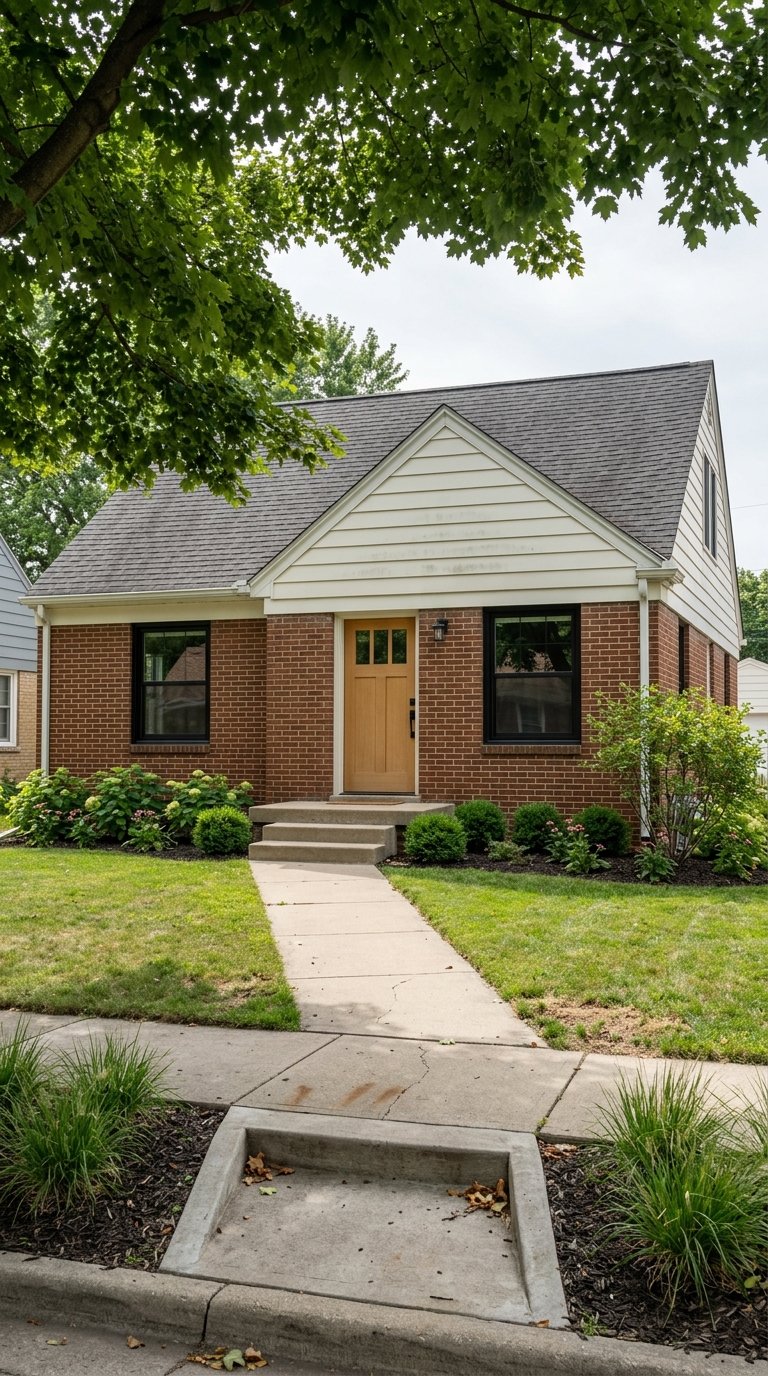
Buying your first home can feel exciting and overwhelming at the same time. If you are looking in Auburn, Indiana, you are probably wondering how much cash you really need, when to get preapproved, and how fast you may need to act when the right home appears. This guide will help you understand the local market, budget with more confidence, and move through the process with fewer surprises. Let’s dive in.
Auburn market basics
Auburn is the county seat of DeKalb County and a smaller city market rather than a large suburban one. The U.S. Census Bureau estimated Auburn’s population at 13,989 in July 2024, up from 13,412 in 2020.
The city also stands out as an owner-heavy market. Auburn has a 76.5% owner-occupied housing rate, which is above Indiana’s statewide rate of 70.6%. That can be helpful context if you are looking for a community where homeownership is common.
Home values in Auburn are also lower than the statewide median based on Census data. The median value for owner-occupied homes in Auburn is $190,800, compared with $218,200 statewide. In DeKalb County, the median value is $194,100.
Recent portal data shows pricing in a somewhat higher range, which is common because portals use different methods and timing. In March 2026, Redfin reported a median sale price of $256,000, Zillow reported an average home value of $275,151, and realtor.com reported a median list price of $362,900.
That spread matters for first-time buyers. A list price is not the same as a sale price, so your budget and offer strategy should be based on recent sold homes, not asking prices alone.
How much cash you may need
One of the biggest first-time buyer questions is simple: how much money should you have before you start shopping? The answer is usually more than just your down payment.
Closing costs typically run about 2% to 5% of the purchase price, according to the Consumer Financial Protection Bureau. Your total cost of buying can also include lender fees, interest, transfer taxes, and property taxes.
If you put down less than 20% on many loan types, you may also have mortgage insurance. That does not always make buying impossible, but it does change your monthly payment and your upfront planning.
Here is a simple way to think about your cash needs:
- Down payment
- Closing costs
- Earnest money deposit, if required in your transaction
- Inspection and appraisal costs
- Moving expenses
- A reserve for early repairs or updates
For Auburn buyers, this kind of planning is especially useful because a well-priced home may not sit for long. Realtor.com reported a median of 26 days on market in March 2026, which suggests preparation can matter.
Why preapproval matters early
If you are touring homes before talking with a lender, it may be time to reverse that order. A preapproval letter helps you understand your price range and shows sellers that you are serious.
The Consumer Financial Protection Bureau notes that sellers frequently require preapproval. It is important to remember that preapproval is tentative, not a guaranteed loan commitment.
Preapproval letters also often expire in about 30 to 60 days. If your search takes longer, you may need to refresh your paperwork with your lender.
A strong preapproval can help you in three ways:
- It helps set a realistic budget
- It puts you in a better position to act quickly
- It helps avoid falling in love with a home outside your comfort zone
Compare lenders, not just loans
Many first-time buyers assume the first loan quote they receive is good enough. In reality, shopping around can make a meaningful difference.
Once you are under contract, the Consumer Financial Protection Bureau recommends comparing at least three Loan Estimates if possible. Reviewing multiple offers can make costs easier to compare and may save buyers about $600 to $1,200 per year.
That does not mean choosing on rate alone. You will also want to look at lender fees, mortgage insurance, closing costs, and how clearly the lender communicates.
If you hope to use Indiana homebuyer assistance, it is also smart to confirm that your lender participates in those programs. IHCDA publishes a participating lender list for that reason.
Indiana assistance programs to know
If upfront cash is your biggest hurdle, state assistance may be worth exploring. Indiana Housing and Community Development Authority, or IHCDA, offers statewide homeownership programs in all 92 counties, including DeKalb County.
Program availability depends on income limits, acquisition limits, and other requirements. IHCDA states that most programs require first-time buyer status unless the property is in a targeted area or you qualify as a veteran.
Current IHCDA options include:
- First Step: 5% down payment assistance for qualifying first-time buyers
- Next Home: 2.5% or 3.5% down payment assistance based on purchase price and not exceeding appraised value
- Step Down: A rate-only purchase option
- Next Step: A refinance option for certain IHCDA mortgages
These programs can help reduce upfront costs, but they still come with guidelines. The best next step is to check eligibility early so you can build your plan around real numbers.
Auburn offer strategy for first-time buyers
In a market like Auburn, preparation often matters more than trying to time the market perfectly. When a home fits your needs and budget, being ready can help you compete without rushing blindly.
A first offer should usually include key protections. The Consumer Financial Protection Bureau says financing and inspection contingencies are a good idea because they can protect you if financing falls through or the inspection uncovers major issues.
If inspection reveals needed repairs, the seller may respond in different ways. In some cases, a seller may offer a closing-cost credit instead of making repairs or lowering the price.
That is why a first-time buyer plan should include more than just a maximum offer price. You should also think about repair tolerance, monthly payment comfort, and how much cash you want to keep in reserve after closing.
Inspection vs appraisal
These two steps often get mixed up, but they do very different jobs. Understanding the difference can help you avoid a common first-time buyer mistake.
A home inspection is for you. The inspector looks at the home’s condition and may identify issues with systems, structure, maintenance, or safety concerns.
An appraisal is usually for the lender. It estimates the property’s value for lending purposes and does not replace an inspection.
The Consumer Financial Protection Bureau recommends scheduling an independent inspection as soon as possible after you choose a home. HUD also notes that an appraisal only estimates value and is not a substitute for a home inspection.
Here is the quick distinction:
| Step | Main purpose | Who it primarily helps |
|---|---|---|
| Inspection | Evaluates condition | You, the buyer |
| Appraisal | Estimates value | The lender |
Both matter, but they answer different questions. One helps you understand the home you are buying, and the other helps determine whether the loan amount matches the property’s value.
What if the appraisal is low?
A low appraisal can feel discouraging, but it does not always end the deal. It simply means the appraised value came in below the contract price.
According to the Consumer Financial Protection Bureau, buyers may want to renegotiate or review the appraisal in that situation. If you believe the appraisal is inaccurate, you can ask for a reconsideration of value.
Depending on the contract and the seller’s response, possible next steps may include:
- Renegotiating the purchase price
- Bringing additional cash to closing
- Reviewing the appraisal for possible errors
- Walking away if your contract protections allow it
This is one reason clear contract guidance matters. The right response depends on your terms, budget, and comfort level.
Property taxes in Indiana
Property taxes are an important part of your monthly housing budget. In Indiana, the Department of Local Government Finance says homestead and other deductions are applied through the county auditor.
In general, taxpayers do not need to reapply every year unless the property is sold or the title changes. Indiana property taxes are also paid in arrears, typically on May 10 and November 10.
Indiana also has circuit breaker caps that generally limit homestead taxes to 1% of gross assessed value. Other residential and agricultural property is generally capped at 2%, and all other real and personal property is generally capped at 3%, although referendum levies can sit outside those caps.
For first-time buyers, the takeaway is simple: ask early how taxes and deductions may affect your payment. A home that looks affordable at first glance may feel different once taxes and insurance are fully counted.
What closing looks like
Closing is the final step in both the purchase and financing process. The Consumer Financial Protection Bureau says the loan closing and the home purchase closing typically happen at the same time.
Before closing, you should receive a Closing Disclosure so you can review your final terms and costs. This is your chance to compare the final numbers with what you expected.
A calm closing is usually the result of good preparation earlier in the process. When your financing, inspection, appraisal, and budget all line up, closing becomes much more manageable.
Buying your first home in Auburn is a big step, but it does not have to feel confusing. With local market context, realistic budgeting, strong preapproval, and clear guidance through inspections and closing, you can move forward with confidence. If you want a calm, informed conversation about buying in Auburn or the surrounding area, connect with Tiffany Fries for a free consultation.
FAQs
How much cash do first-time homebuyers need in Auburn, Indiana?
- You should plan for more than the down payment, including closing costs that typically run about 2% to 5% of the purchase price, plus inspection, appraisal, moving costs, and a reserve for early repairs.
Should Auburn first-time buyers get preapproved before touring homes?
- Yes. Preapproval helps you understand your budget, shows sellers you are serious, and may help you move faster in a market where homes can sell quickly.
What is the difference between a home inspection and an appraisal in Auburn?
- A home inspection evaluates the property’s condition for you as the buyer, while an appraisal estimates value for the lender and does not replace an inspection.
Are there Indiana first-time homebuyer programs for Auburn buyers?
- Yes. IHCDA offers statewide programs that may include down payment assistance or rate options, but eligibility depends on factors like income, acquisition limits, and buyer status.
How are property taxes paid on a home in Auburn, Indiana?
- In Indiana, property taxes are paid in arrears, typically on May 10 and November 10, and homestead deductions are generally handled through the county auditor.
What should first-time buyers know about making an offer in Auburn?
- It is wise to pair a strong preapproval with financing and inspection contingencies so you can act quickly while still protecting yourself if financing changes or inspection issues arise.