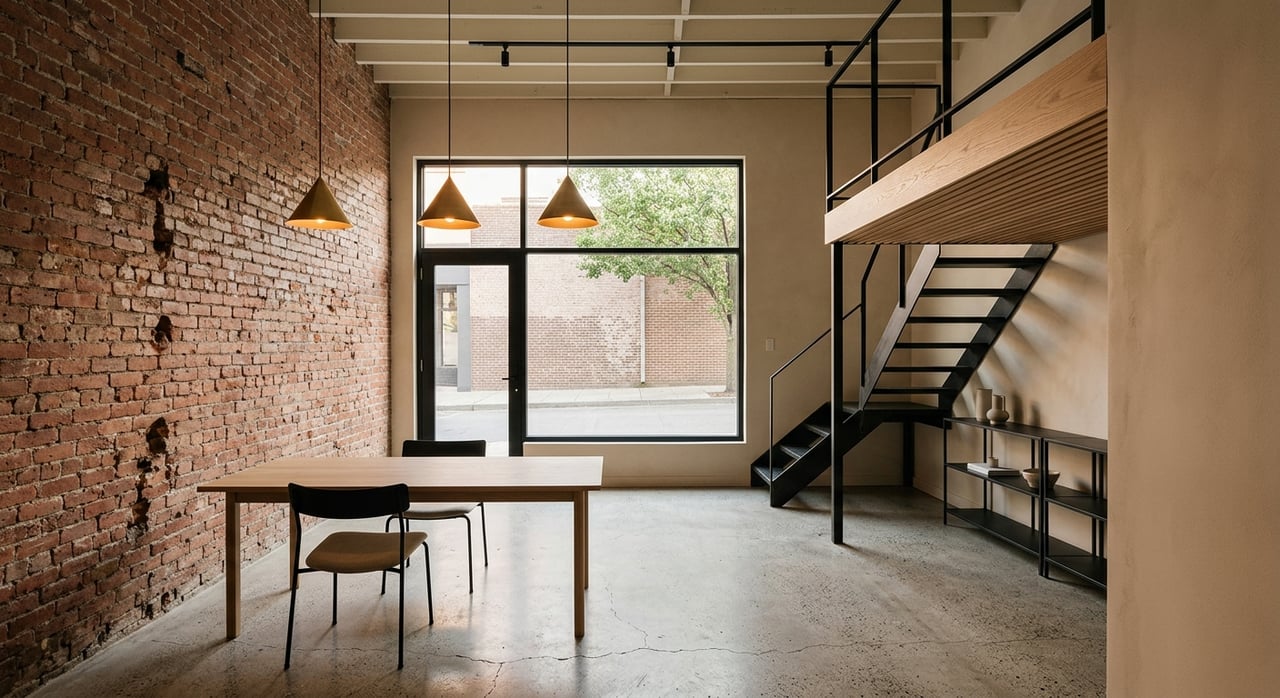
If you are thinking about buying or leasing a live-work or mixed-use property in Fort Wayne, it is easy to focus on the look of the space and miss the details that shape how it actually functions. You may love a storefront, a studio, or an upper-level residence, but the real test is whether the property supports both your daily life and your business use. When you know what to review before you sign, you can make a more confident decision. Let’s dive in.
Understand the property type
Before you compare locations, start by defining what you are actually evaluating. In Fort Wayne, a mixed-use building or development is broadly defined in the zoning ordinance as a building or group of buildings with more than one use, including residential and nonresidential uses, according to the Fort Wayne Zoning Ordinance.
A live-work space is usually a more specific setup within that broader category. It often combines a residential area with a business area in the same unit or building, with a layout designed to support both uses. That is different from a typical home with a small home-based business, because true live-work space is usually planned around customer access, visibility, and day-to-day business operations.
In downtown Fort Wayne, this is not just a concept on paper. The city’s zoning framework treats downtown as a distinct mixed-use environment, and the DE Downtown Edge district specifically calls out artist studios, live/work space, and small offices as part of its intended character under the same ordinance.
Know where live-work fits
One of the biggest mistakes buyers and tenants make is assuming a property is suitable just because it looks the part. In Fort Wayne, zoning has to be checked property by property.
The city’s downtown districts are a good place to start. The DC Downtown Core is intended for high-density, pedestrian-oriented development, while the DE Downtown Edge acts as a transition area between downtown and nearby neighborhoods, generally supporting 2- to 6-story development and creative uses such as live-work and studios, based on the Fort Wayne Zoning Ordinance.
That does not mean every downtown property automatically works for your plans. The Allen County Planning Services Zoning 101 guide explains that the zoning ordinance establishes districts for every property and that permitted uses and design standards depend on that district. It also notes that larger mixed-use proposals may go through the Plan Commission or, when needed, the Board of Zoning Appeals.
If you are looking near the riverfront or other growth areas, review the zoning even more carefully. The zoning code states that additional standards can apply in the Riverfront Overlay, and downtown and riverfront proposals may have separate review steps under the city’s planning process.
Evaluate the layout first
A great location cannot fix a poor floor plan. In a live-work setting, layout matters just as much as address.
The most useful question is simple: can the business and living functions work side by side without interfering with each other? A strong layout usually gives customers or clients a clear path to the work area while keeping your private living space separate.
When you walk a property, look for practical details such as:
- A business entrance that does not force visitors through the home
- Enough separation for noise, odors, and daily activity
- Space for storage, deliveries, and supplies out of customer view
- Flexibility to shift between office, studio, retail, or residential use over time
Fort Wayne’s downtown standards reinforce those priorities. In the DC and DE districts, off-street parking may not be placed in front of or on the side of a new structure, and loading, service areas, trash storage, exterior work areas, and truck parking are meant to be screened from streets, public open space, and nearby residential properties under the zoning ordinance. That means the property should function well both from the street and behind the scenes.
Weigh visibility and access together
For many buyers and tenants, the next question is whether foot traffic or parking matters more. In downtown Fort Wayne, the better answer is usually both.
The city’s Urban Trail project page says the trail is intended to attract people, stimulate nearby business investment, and connect destinations such as Promenade Park, The Landing, and Electric Works. If your business depends on walk-in visibility, proximity to active routes and public-facing streets can matter a lot.
At the same time, access by car still plays a major role. The same local planning context shows downtown parking remains substantial, with the city noting that the STAR Bank Garage added 390 spaces to more than 5,200 public parking spaces already overseen downtown. For many businesses, that means easy parking can support client convenience even in a walkable district.
When you assess site fit, ask:
- Is the storefront or entrance easy to see from the street?
- Does the area have regular pedestrian flow?
- Is nearby parking available for clients, staff, or deliveries?
- Can service access happen without disrupting the residential side of the property?
A strong live-work property usually balances public visibility with practical access.
Review current mixed-use momentum
Fort Wayne’s market context also matters when you compare options. Downtown continues to add mixed-use inventory, and that tells you live-work is part of the city’s real development pattern, not just a niche idea.
For example, The Pearl has marketed live-work units with optional storefronts, and public project materials have described the development as including 76 apartments, five live-work units, and about 13,000 square feet of commercial space. The city’s broader North River District planning also points to continued mixed-use growth tied to downtown destinations and public investment.
For you as a buyer or tenant, that means two things. First, there is real local demand for flexible space that blends lifestyle and business use. Second, competition can be stronger for properties that combine walkability, visibility, and adaptable design.
Confirm approvals and review steps
Even if a property seems ideal, do not skip the approval process. Before you make an offer or sign a lease, confirm how the city classifies the property and whether your intended use is allowed.
The U.S. Small Business Administration’s business location guidance recommends confirming zoning laws and local regulations before buying or leasing. In Fort Wayne, that means checking the zoning map, reviewing district standards, and understanding whether your use is allowed by right or may need additional approval.
The Planning Services Zoning 101 page is helpful here because it outlines the city’s zoning framework, review process, and permitting tools. If the property is in a downtown district or the Riverfront Overlay, it is especially important to ask whether there are additional design or project review requirements.
Check signs, deliveries, and restrictions
A property can be legally zoned for mixed-use and still have other limits that affect how you operate. That is why document review matters.
Ask the seller or landlord for the exact zoning district and any known restrictions tied to the property. You should also ask whether there are private covenants or related documents that limit signs, setbacks, or business activity. The City of Fort Wayne notes that neighborhood covenants can address items like these, and they may still matter in urban settings.
This is also the right time to clarify operational details such as:
- What signs are currently allowed or in place
- Where deliveries and loading occur
- Whether there is dedicated storage for inventory or equipment
- How trash and service areas are handled
- Whether utility systems support the intended use
These details shape the day-to-day experience of using the property, not just the legal side.
Plan for lease and buildout costs
If you are leasing, look beyond rent. Live-work and mixed-use spaces often require improvements that change the true cost of the deal.
The SBA guidance advises business owners to review contracts carefully, understand financing and incentive options, and ask about landlord expectations such as financial statements, operating reserves, and tenant improvement allowances. In practical terms, you should ask who is paying for buildout, whether utility meters are separate, whether HVAC or accessibility updates are needed, and how much flexibility you have to customize the space.
If you are buying, those same questions still matter. A property with the right zoning but expensive layout changes may not be the best fit if your business needs customer-facing frontage, storage, or mechanical upgrades right away.
Bring in the right professionals
Live-work space often sits between residential and commercial real estate, which means the transaction can be more layered than a standard home purchase or basic lease. The more moving parts the property has, the more valuable the right advisors become.
A practical approach is to involve a real estate attorney before signing and bring in a lender, CPA, or architect when the deal includes construction, a complex lease, a change of use, or a business model that depends on customer traffic and flexible design. That approach lines up with the SBA’s guidance on reviewing contracts and confirming zoning and financing before you commit.
Working with an advisor who understands both residential decision-making and mixed-use property can also help you see the full picture. That includes not just price, but how the space supports your lifestyle, business goals, and long-term flexibility.
If you are exploring live-work or mixed-use opportunities in Fort Wayne, Tiffany Fries can help you evaluate property fit, local market context, and the practical details that matter before you move forward.
FAQs
How do I tell whether a Fort Wayne property is live-work or mixed-use?
- A mixed-use property generally combines residential and nonresidential uses in one building or development, while live-work usually refers to a more specific setup where your living area and business space are intentionally combined in a functional layout.
Which Fort Wayne zoning districts are most likely to support live-work use?
- Downtown districts such as DC Downtown Core and especially DE Downtown Edge are key places to review, but zoning must still be confirmed for each property because live-work is not allowed everywhere in the city.
How should I compare foot traffic and parking for a Fort Wayne live-work property?
- In many downtown Fort Wayne locations, you should evaluate both together because walkability can support visibility while public parking can still be important for clients, staff, and deliveries.
What should I confirm about signs and deliveries in a Fort Wayne mixed-use space?
- You should verify where signs are allowed, how deliveries and loading are handled, where storage and trash areas are located, and whether those operational areas are screened and practical for daily use.
When does downtown or riverfront review apply in Fort Wayne?
- If a property is in the downtown districts or Riverfront Overlay, additional design standards or project review steps may apply, so it is important to check the zoning district and planning process before you sign.
What documents should I review before buying or leasing a Fort Wayne live-work property?
- Review the zoning classification, permitted-use rules, lease or purchase contract, any covenants or restrictive documents, and any records related to buildout, utilities, signage, and project approval requirements.