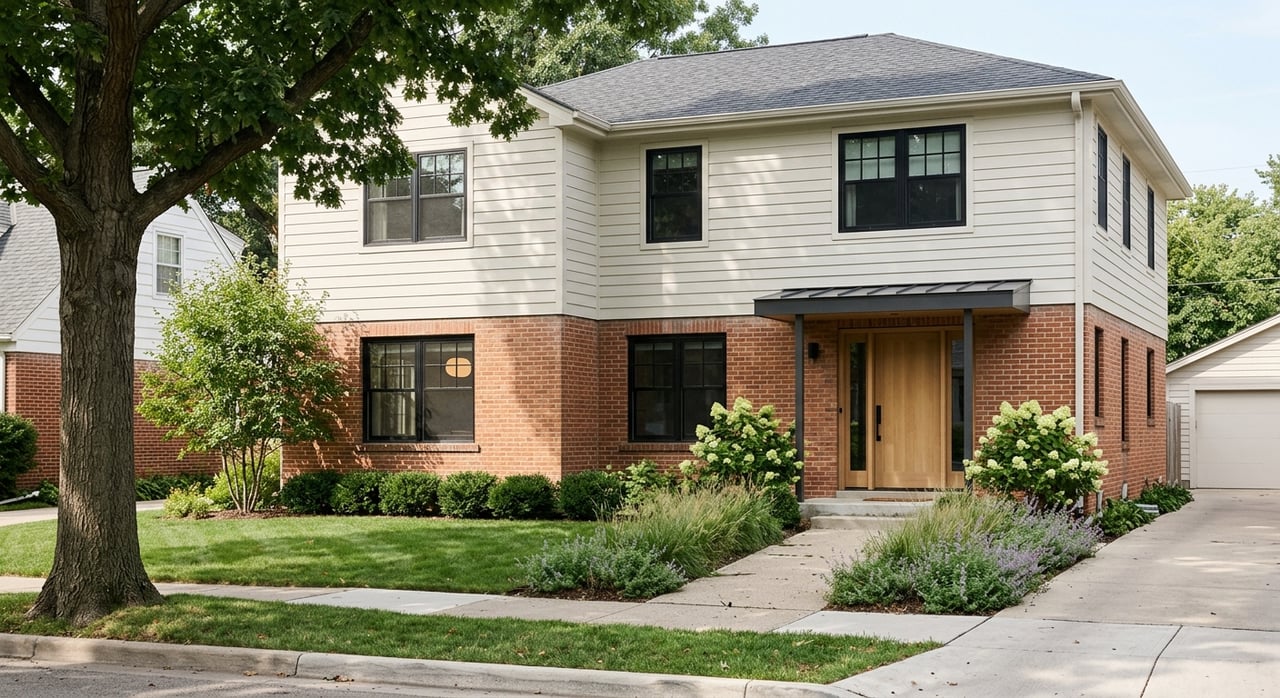
If you are deciding between New Haven and east Fort Wayne, you are probably balancing more than just price. You may be thinking about lot size, housing style, commute patterns, and whether a neighborhood feels more established, more suburban, or more in transition. This comparison will help you sort through those differences so you can focus on the home and setting that fit your goals best. Let’s dive in.
New Haven vs east Fort Wayne at a glance
At a high level, New Haven tends to offer a more traditional small-city feel with a strong single-family housing base and a higher share of owner-occupied homes. Census estimates show New Haven with 16,337 residents and a 75.7% owner-occupied housing rate, which is notably higher than Fort Wayne citywide at 61.9%.
Price is another big part of the decision. Redfin reports a recent median sale price of $239,757 in New Haven, while east-side Fort Wayne submarkets generally come in lower, though they vary quite a bit. Zillow and Redfin data point to lower entry points across east-side areas such as East Side, East Central, Rudisill-Plaza, and Southeast Fort Wayne, but these figures should be read directionally because the sources use different methods.
What home prices may look like
If your budget is your top filter, east Fort Wayne may give you more lower-priced options to consider. Zillow’s home value index places East Side at $111,116, East Central at $117,872, and Rudisill-Plaza at $136,624. Redfin reports Southeast Fort Wayne at a median sale price of $138,953 with 29 days on market and a 96.5% sale-to-list ratio.
New Haven, by contrast, is often a step up in price but may offer a different kind of value depending on what you want. Census data lists a median owner-occupied home value of $166,900, and Redfin’s more recent median sale price is $239,757 with about 22 days on market. That can signal an active market where buyers are still finding options that feel more conventional and easier to compare.
Housing styles feel very different
New Haven homes tend to be more conventional
New Haven’s planning documents describe single-family housing as the predominant form across the city. Lot sizes range from the historic original plat to newer subdivisions, with planning emphasis on preserving lot sizes in the historic core while concentrating low- to moderate-density single-family areas on the outskirts.
For you as a buyer, that often means a clearer suburban edge-city pattern. You may find a mix of legacy neighborhoods and newer subdivision-style homes, which can make it easier to narrow your search by preferred layout, lot size, and age of construction.
East Fort Wayne includes older and tighter housing stock
East-side Fort Wayne is more mixed. According to the city’s Southeast Strategy, the area includes urban, suburban, and rural development patterns rather than one single housing type or neighborhood feel.
In older east-side pockets, homes may be more than 100 years old, and lots can be very small. The city notes lots as small as 0.1 acre, and a Redfin example in the East Side Community shows a 1925 home on a 2,614-square-foot lot. If you like older homes and denser neighborhood patterns, that may be appealing. If you want more separation between homes or a newer layout, you may need to search more carefully.
Maintenance and condition matter more on the east side
One of the biggest practical differences is the age of the housing stock. Fort Wayne’s 2026 Consolidated Plan says 66% of the city’s housing units were built before 1978, and older neighborhoods, especially the inner city and southeast side, often carry aging housing stock, higher rental concentration, and lower walkability and accessibility than newer subdivisions.
That does not mean east-side homes are the wrong choice. It does mean you should go in with clear expectations. Older housing can bring character and lower entry pricing, but it may also bring more repair needs, renovation questions, and accessibility tradeoffs.
In New Haven, the housing mix is still varied, but the overall pattern is often easier for buyers who want a more standard single-family search. If you want a simpler compare-and-contrast process between homes, New Haven may feel more straightforward.
Commute differences are often about route, not time
Many buyers assume New Haven and east Fort Wayne will have very different commute times, but the numbers suggest otherwise. Census data shows New Haven’s mean commute time at 22.5 minutes, and local planning context suggests the real difference is often your destination and preferred route rather than major time savings.
New Haven is actively studying transportation and access through its Lincoln Highway Corridor Plan, which is focused on land use, transportation needs, safe travel, multimodal connectivity, and redevelopment opportunities. The city’s planning also supports a more walkable downtown environment over time.
On the east side, Fort Wayne is also working on infrastructure and connectivity. The city’s planning documents identify sidewalks, trails, street lighting, park amenities, and bus transit facilities as key public-improvement needs. Some corridors are being reshaped for more neighborhood-scale commercial activity, though neighborhood conditions still vary a lot from one pocket to another.
Parks, trails, and daily convenience
New Haven has a stronger built-in amenity story
New Haven offers more built-in park and trail infrastructure than some buyers expect. The city reports 13 parks and recreation facilities, plus features at Community Center Park such as an outdoor plaza, inclusive playground, splash pad, pickleball courts, basketball courts, and a trail connection.
New Haven also has 3 miles of the 26-mile Rivergreenway Trail. If you value easy access to parks, trails, and everyday outdoor recreation, that can be a meaningful advantage in your home search.
East Fort Wayne is more uneven but evolving
On the east side, amenity access is less consistent. Fort Wayne’s Southeast Strategy notes a shortage of commercial third places and, for many residents, a lack of amenities close to home.
At the same time, reinvestment is underway. The city’s 2026 Consolidated Plan points to growing demand for both affordable and market-rate housing in Downtown and East Central, and the East Central Forward plan was approved in 2025 to improve infrastructure, connectivity, safety, housing opportunities, and community pride. If you are comfortable buying in an area with ongoing public and private attention, the east side may offer opportunity along with some unevenness.
Who New Haven fits best
New Haven may be the better fit if you want:
- A higher owner-occupancy share
- More conventional single-family housing options
- Clearer lot patterns and neighborhood layouts
- A small-city setting with parks and trail access
- A market that feels active but still approachable
This option often appeals to buyers who want predictability in the housing search. If you are relocating or simply want a cleaner comparison between neighborhoods and home types, New Haven can feel easier to navigate.
Who east Fort Wayne fits best
East Fort Wayne may be the better fit if you want:
- Lower entry price points
- Older homes with established character
- Smaller lots and a more urban mix in some areas
- Access to neighborhoods seeing active reinvestment
- More variety between block-by-block housing patterns
This option can work well if you are open-minded about housing style and willing to evaluate condition carefully. It can also appeal to buyers who see value in neighborhoods where infrastructure and mixed-use planning are gaining momentum.
A simple way to choose
If you are stuck between the two, focus on three questions.
How much home condition risk fits your comfort level?
If you want fewer unknowns, New Haven may feel more comfortable. If you are open to older housing stock and possible updates, east Fort Wayne may open more options at lower prices.
What kind of lot and layout do you want?
If you picture a more conventional single-family setting, New Haven likely lines up better. If you like compact lots, older homes, or a more varied neighborhood fabric, east Fort Wayne may match your style.
Do you want stability or reinvestment potential?
New Haven often appeals to buyers looking for a more established owner-occupied pattern. East Fort Wayne may appeal more if you want to buy into an area where city plans and market demand suggest ongoing change.
The right answer depends on how you want to live day to day. If you want help comparing specific homes, neighborhoods, or price points in and around Fort Wayne, Tiffany Fries can help you sort through the options with clear local guidance.
FAQs
What is the main difference between New Haven and east Fort Wayne for homebuyers?
- New Haven generally offers a more conventional single-family, owner-occupied setting, while east Fort Wayne often offers lower price points, older housing stock, and more variation from one area to another.
Are home prices lower in east Fort Wayne than in New Haven?
- In general, yes. The research shows lower directional price points across several east-side submarkets compared with New Haven’s recent median sale price.
Does New Haven have more parks and trails than east Fort Wayne?
- New Haven has a stronger built-in parks and trail story in the research provided, including 13 parks and recreation facilities and 3 miles of the Rivergreenway Trail.
Are east Fort Wayne homes older than New Haven homes?
- Many east-side neighborhoods include older housing stock, and city planning documents note homes more than 100 years old in some areas, along with more maintenance and renovation needs.
Is New Haven or east Fort Wayne better for first-time buyers?
- It depends on your priorities. East Fort Wayne may offer lower entry prices, while New Haven may appeal if you want more conventional single-family options and a more straightforward neighborhood pattern.