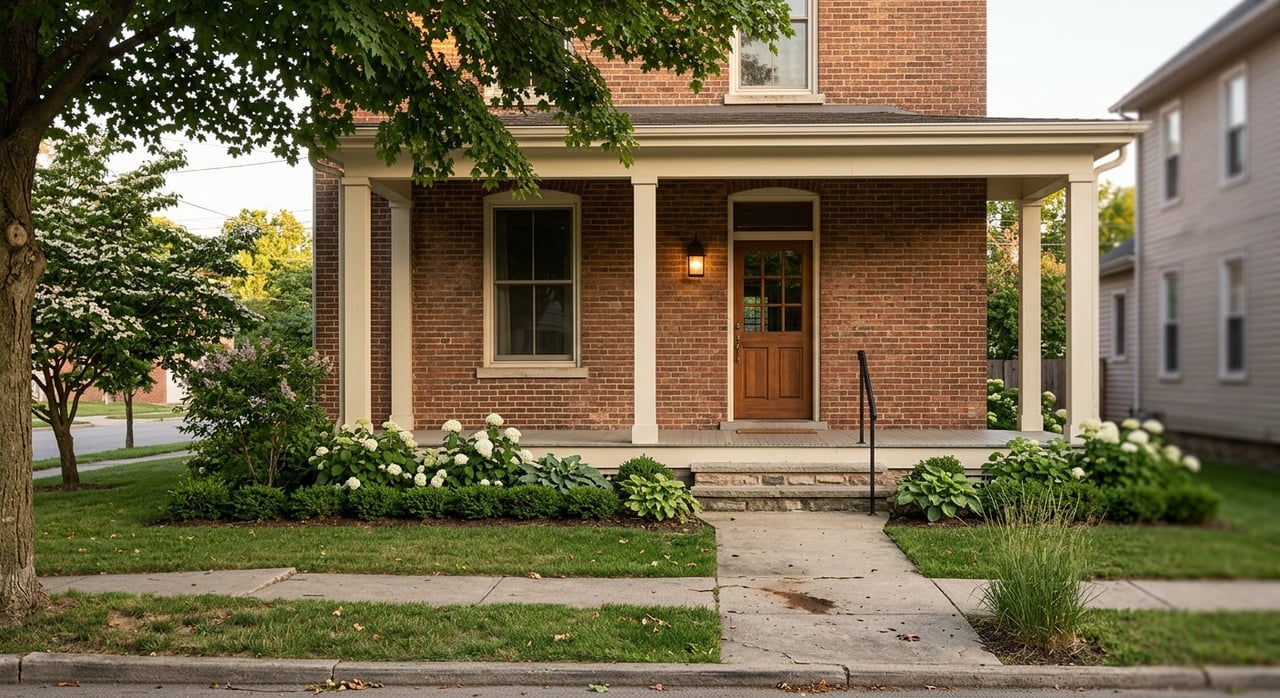
If you are curious about small-town life but do not want to feel cut off from daily convenience, Auburn deserves a closer look. This is a place where historic streets, recurring local events, parks, and practical regional access all shape the rhythm of everyday life. When you understand how those pieces fit together, it becomes easier to picture what living here might actually feel like. Let’s dive in.
Small-town living starts downtown
Auburn’s small-town identity is closely tied to its downtown core. According to the city, downtown has long been central to Auburn’s social and economic life, and recent revitalization efforts have helped expand its visibility.
That matters when you are deciding where to live. In some towns, downtown is more of a backdrop than a daily destination. In Auburn, it plays a regular role in how people shop, gather, and spend time.
Historic character is part of daily life
The downtown historic district includes more than 90 structures across about 15 blocks centered on the DeKalb County Courthouse. The National Register nomination notes architectural styles from the late 19th and early 20th centuries, along with wide streets, sidewalks, and mature trees around the square.
In practical terms, that gives Auburn a setting that feels established and easy to navigate. You are not just seeing a few older buildings here and there. You are moving through a downtown area where the historic layout and building patterns still shape the experience.
The city and local organizations are also working to preserve that look and feel. Auburn’s Façade Grant Program supports improvements to older commercial buildings in the downtown historic corridor, with a focus on retaining or enhancing historic character.
Auburn’s automotive history is still visible
Auburn’s identity is also tied to its automotive heritage. The former Auburn Automobile Company administration building, built in 1929 to 1930, is now home to the Auburn-Cord-Duesenberg Museum and remains a notable part of downtown life.
For residents, this means Auburn’s history is not hidden away. It is built into the cityscape and shows up in the places you pass, visit, and talk about. That kind of visible local story often gives a town a stronger sense of place.
Community life runs on recurring events
One of the clearest signs of Auburn’s small-town rhythm is its event calendar. Instead of relying on occasional major attractions, Auburn has a steady pattern of repeat gatherings that bring people downtown and keep the community connected.
The Auburn Cord Duesenberg Festival is the city’s signature event, and Labor Day weekend is known for Auburn’s long-running collector-car auction tradition. The downtown 3rd Thursday Cruise-In also returns several times a year, adding another familiar gathering around Courthouse Square.
Just as important are the events that shape ordinary weeks and seasons. Auburn After Hours takes place year-round on the third Thursday downtown, the downtown farmers' market runs from May through October on Wednesdays and Saturdays, the DABA annual art display runs June through September, and the Christmas Parade takes place on Courthouse Square the Tuesday before Thanksgiving.
The DeKalb County Free Fall Fair adds another major annual tradition. The official fair schedule for 2026 lists the event in Auburn from September 28 through October 3, with rides, food, games, live entertainment, 4-H and livestock shows, parades, tractor pulls, and a large merchant tent.
What that event calendar means for you
If you are considering a move to Auburn, these recurring events tell you something important. Small-town living here is not just about quiet streets and a slower pace. It is also about having regular, familiar opportunities to get out, see people, and take part in local traditions.
That creates a lifestyle many buyers are looking for. You can build routines around the same downtown spots, seasonal events, and annual gatherings instead of always searching for what to do next.
Daily routines feel local and manageable
Auburn Main Street’s directory highlights shopping, dining, art, coffee shops, boutiques, breweries, ice cream, antiques, and other local stops in a downtown area designed to be easy to explore. That gives Auburn a day-to-day pattern that feels simple and grounded.
You might picture a morning coffee stop, a quick errand downtown, or a casual walk around the square after work. Those details may sound small, but they often shape how a place feels to live in more than any single landmark does.
The city’s downtown parking map also supports that practical side of daily life. It shows public parking lots, free unlimited parking areas, and two-hour weekday parking around Courthouse Square.
Parks and trails add breathing room
For a city Auburn’s size, the parks system is broad. Auburn Parks and Recreation says the city includes five community parks, six neighborhood parks, four special-use parks, Courtyard Park on the courthouse square, and a trail and sidewalk network, along with year-round programs for all ages.
That means outdoor space is not an afterthought. It is part of the structure of the city, whether you want a short stop downtown, a longer walk, or a place to spend part of the afternoon.
Trails connect key parts of town
Auburn’s trail system helps connect recreation with everyday movement. The Rieke Park Trail is a 1.15-mile paved former railroad corridor for foot and bike traffic and connects to the Waterloo Trail system.
The Eckhart Park Trail is a 0.36-mile loop through Auburn’s oldest park and includes access to Cedar Creek views, playgrounds, pavilions, and a 9-hole disc golf course. The Pufferbelly Trail runs 1.2 miles and links the Auburn Cord Duesenberg Museum, downtown Auburn, Riley Park, and the Rieke Trail.
For many buyers, that kind of connectivity matters. It supports a lifestyle where you can mix errands, recreation, and local outings without everything feeling spread out or disconnected.
Seasonal fun extends beyond the parks
Auburn’s warm-weather routine also includes options beyond the park system. The local events calendar lists DeKalb Outdoor Theater as operating from May through September, adding another seasonal activity for summer evenings.
This is part of what makes Auburn’s lifestyle feel approachable. Entertainment here often looks less like a packed schedule and more like familiar local traditions you can enjoy at your own pace.
Getting around Auburn is straightforward
Auburn offers the pace of a small town, but it is also practical when it comes to transportation. The city notes that Auburn sits on Interstate 69 with two exits into the city, and State Road 8 runs directly through the community.
For broader travel, Fort Wayne International Airport is about 38 minutes away, and the Waterloo Train Station is about 8 minutes away. Those details can make a real difference if you want a quieter home base without giving up regional access.
In everyday terms, Auburn appears to offer a manageable local routine while keeping you connected to nearby destinations. For many relocators, that balance is a major part of the appeal.
Auburn supports a regional work-life balance
Small-town living does not always mean small opportunity. The DeKalb County Economic Development Partnership describes its mission as improving quality of life through business and industry growth and identifies DeKalb County as an economic driver in Northeast Indiana and the greater Midwest.
Its employer list includes Auburn-based Walmart Distribution Center, Metal Technologies, and Rieke Packaging Systems, along with larger county employers such as Steel Dynamics, Therma-Tru, and Nucor Building Systems. For buyers thinking about relocation, that points to a regional job base that supports day-to-day life in and around Auburn.
The takeaway is simple. Auburn can offer a quieter, more grounded routine without necessarily separating you from work access, transportation options, or nearby amenities.
Who Auburn may appeal to most
Auburn may be a strong fit if you want a town where the setting itself contributes to your routine. The historic square, local businesses, recurring events, trails, and parks all support a lifestyle that feels consistent and community-centered.
It may also appeal to you if you want practical access. With I-69, State Road 8, nearby airport access, and a short drive to the Waterloo Train Station, Auburn offers a small-town environment that still connects outward.
Most of all, Auburn may stand out if you are looking for a place with visible identity. Its downtown preservation, automotive heritage, and established annual traditions give it a sense of continuity that many buyers find hard to replicate.
If you are weighing a move to Auburn or comparing Northeast Indiana communities, local context matters. Working with a guide who understands how lifestyle, property value, and neighborhood character fit together can help you make a more confident decision. Tiffany Fries offers thoughtful, relationship-first guidance for buyers, sellers, and clients exploring communities like Auburn.
FAQs
What makes Auburn feel like a true small town?
- Auburn’s small-town feel comes from its preserved courthouse-square downtown, recurring community events, visible automotive heritage, parks, trails, and an easy-to-navigate layout.
What is downtown Auburn like day to day?
- Downtown Auburn includes historic buildings, local shops, restaurants, coffee spots, art, public parking, and regular community events that make it part of everyday life rather than just a weekend destination.
What annual events shape life in Auburn?
- Auburn’s recurring events include the Auburn Cord Duesenberg Festival, 3rd Thursday Cruise-In, Auburn After Hours, the downtown farmers' market, the DABA art display, the Christmas Parade, and the DeKalb County Free Fall Fair.
Are there parks and trails in Auburn, Indiana?
- Yes. Auburn has five community parks, six neighborhood parks, four special-use parks, Courtyard Park, and a trail and sidewalk network that includes the Rieke Park Trail, Eckhart Park Trail, and Pufferbelly Trail.
Is Auburn easy to get around from?
- Auburn sits on Interstate 69 with two city exits, State Road 8 runs through town, Fort Wayne International Airport is about 38 minutes away, and the Waterloo Train Station is about 8 minutes away.
Is Auburn a good option for relocation in Northeast Indiana?
- Auburn may appeal to relocators who want a quieter daily routine with regional job access, practical transportation connections, and a downtown-centered community feel.